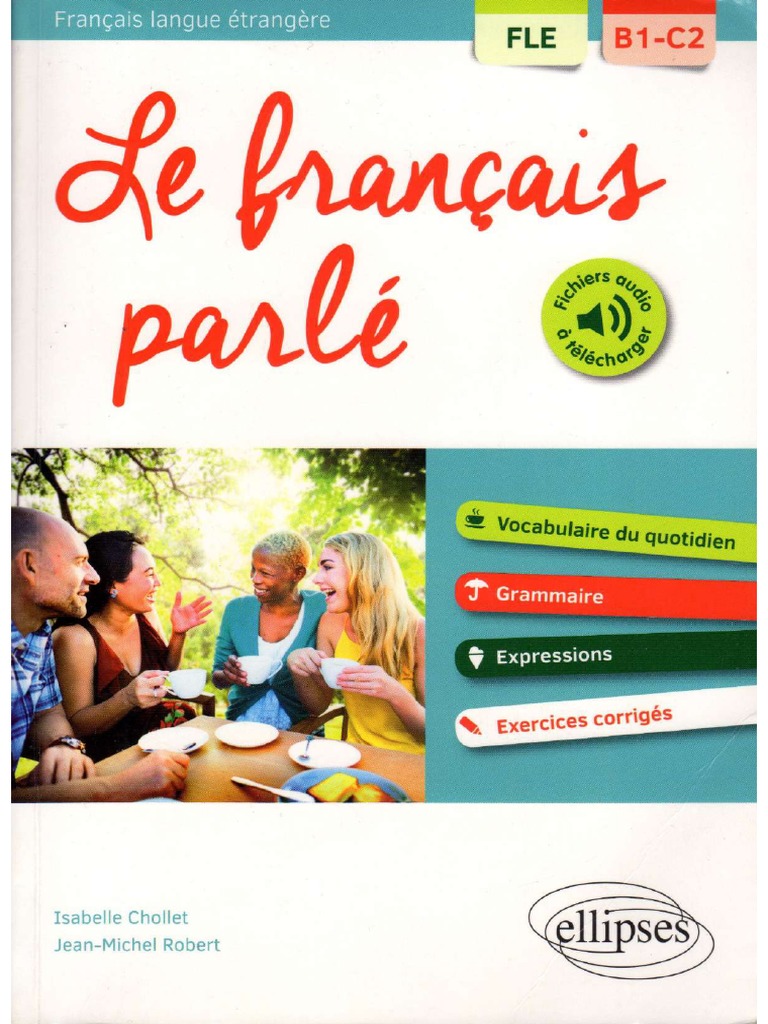


Comprehensive Guide to Excelling in the DELF B2 Oral Exam
Embarking on the journey to master the French language and achieve the DELF B2 certification is both challenging and rewarding. One of the pivotal components of this certification is the oral examination, which assesses your ability to communicate effectively in French. To navigate this challenge successfully, it’s essential to understand the structure, expectations, and strategies that can enhance your performance. This guide delves into the intricacies of the DELF B2 oral exam, offering insights and practical tips to help you excel.
Understanding the DELF B2 Oral Examination
The DELF B2 oral exam is designed to evaluate your proficiency in spoken French, focusing on your ability to express ideas clearly, engage in discussions, and respond to questions with coherence and relevance. The examination typically consists of two main parts:
- Monologue: You are required to present a prepared topic, demonstrating your ability to organize thoughts and articulate them effectively.
- Interactive Discussion: This segment involves a dialogue with the examiner, assessing your responsiveness, spontaneity, and capacity to engage in a conversation on various subjects.
Each part is meticulously structured to gauge different facets of your oral communication skills, from pronunciation and fluency to the depth of content and argumentation.
Key Themes and Topics
While the specific topics can vary, the DELF B2 oral exam often encompasses a range of themes that reflect contemporary societal issues, cultural aspects, and personal experiences. Common topics include:
- Education: Discussions on the education system, teaching methodologies, and the role of education in personal development.
- Environment: Conversations about environmental challenges, sustainability practices, and global ecological concerns.
- Technology: Debates on the impact of technology on daily life, digitalization, and ethical considerations in technological advancements.
- Culture and Society: Dialogues exploring cultural diversity, societal norms, and the influence of media and arts on society.
- Health and Well-being: Topics related to public health, mental well-being, and lifestyle choices affecting health.
Familiarizing yourself with these themes and formulating well-structured arguments can significantly enhance your performance during the exam.
Effective Strategies for Success
Achieving a high score in the DELF B2 oral exam requires a combination of preparation, practice, and strategic execution. Here are some effective strategies to consider:
1. Structured Preparation
Develop a study plan that allocates time for each topic area. Utilize a variety of resources, including textbooks, online materials, and practice exams, to build a comprehensive understanding of potential subjects.
2. Practice Speaking Regularly
Engage in regular speaking practice with peers, tutors, or language exchange partners. This practice helps in improving fluency, pronunciation, and the ability to formulate coherent responses under time constraints.
3. Master the Art of Argumentation
Focus on developing clear and logical arguments. Practice presenting your viewpoints on various topics, supporting them with relevant examples and reasoning. This skill is crucial for the monologue and interactive discussion segments.
4. Enhance Listening Skills
Improving your listening comprehension is vital for understanding the examiner’s questions and responding appropriately. Listen to French audio materials, such as podcasts, news broadcasts, and interviews, to attune your ear to different accents and speaking speeds.
5. Manage Exam Anxiety
Develop techniques to manage stress and anxiety during the exam. Practice relaxation exercises, maintain a positive mindset, and approach the exam with confidence. Remember, a calm demeanor can positively influence your performance.
Utilizing Practice Materials
Incorporating practice materials into your study routine can provide valuable insights into the exam format and question types. Consider the following resources:
- Sample Questions: Review past exam questions to familiarize yourself with the types of prompts and expected responses.
- Mock Exams: Simulate exam conditions by taking timed practice tests, which can help in managing time effectively during the actual exam.
- Feedback Sessions: After practicing, seek feedback from instructors or peers to identify areas of improvement and refine your speaking skills.
Conclusion
Excelling in the DELF B2 oral exam is a testament to your dedication, preparation, and proficiency in the French language. By understanding the exam structure, familiarizing yourself with common topics, and implementing effective preparation strategies, you can approach the examination with confidence and poise. Remember, consistent practice and a proactive approach to learning are key to achieving success. Bonne chance!